Audio here,
I know I've been teasing you guys with the promise of a new DnB tune, but as you might know, I've been in in the process of setting up new software, a new DJ rig, and making arrangements for an upcoming trip of mine. To tell the truth, I'm currently trying to upgrade to Logic 9, but things haven;t been going smoothly.
But enough jibber-jabber! During my process of creating this new DnB track, I felt like experimenting with a little Dubstep, and ended up finishing the Dubstep before the DnB! So the good news is that my new project, 'Two-Thirds Omega' is officially underway, with an experimental Dubstep tune I'm going to share with you right now, and a DnB song almost finished, waiting in the wings. Expect a lot more original music coming from me in the coming months.
I do have one more important announcement, I will be away for three weeks starting tomorrow (May 10th) because I'm flying to China to train Kung-Fu with the Shaolin monks. I've been doing martial arts nearly all my life, and I'm nearing my Kung-Fu black belt test, and it's a well known rite of passage for a Kung-Fu student to visit the birth place of Kung-Fu and bring back techniques and secrets for his/her school. This does mean that I will not be posting any blog entries whatsoever until June 1, as I will be devoting this trip solely for my training. I appreciate your understanding.
Easy,
Audio
Showing posts with label Dubstep. Show all posts
Showing posts with label Dubstep. Show all posts
Monday, 9 May 2011


Thursday, 14 April 2011
Audio: 12" Record Review - Breed 003, Utopia + Kubrack
Audio here,
So i decided i might keep to my word after all, and do a little album review for you guys. This is a Vinyl 12' record released from Breed 12"'s, through Lifted music. This record features Utopia with Force Of Mind on the A side, and Kubrak's Fast Forward on the flip. An interesting point to note before i start the review, is that Utopia is a Russian based collective, featuring many artists, including Kubrak.
Side A
Side A features Force Of Mind, by Utopia, and sums up the entire Russian Drum and Bass scene quite nicely. Gritty and catchy. This track starts with the usual swell of atmospheric noises, but quickly settles into a jumpy, synth melody that sets the tone for the side. With it's ominous tones, the track then descends into gritty wobble-style bass with locomotive percussion. Each two bars are accentuated with an orgasmic grunt that will make all listeners moan along. Utopia has mixed this track to perfection, with flow that makes you listen to the entire 6 minutes and fourty-two seconds in a trance, bobbing your head and grunting, and as abruptly as it came in, the beat stops, leaving you feeling silly and embarrassed in your chair. This is some of the best Drum and Bass east of the UK.
 Side B
Side B features Fast Forward, by Kubrak, who is recently becoming one of the brightest jems to come from Russia. This track starts of similarly to Force Of Mind, with atmospheric tension eventually bubbling into a huge drop. And if you like a big drop, Fast Forward is one of the nicest I've heard this year. With a drum fill, Kubrak drops some of the dirtiest synths that could only come from mother Russia. With accents reminiscent of 16-bit sounds, this track is perfect for a video game soundtrack. This track sets up the stage, and stays in the pocket, overwhelming the listener with strange and amazing synth chords. A perfect flip to this record, it is obvious what influence Kubrak has over the direction of Utopia, with the similarities of atmosphere between these two tracks. This is the sort of track that would make people loose their minds at a crowded Moscow nightclub.
Conclusion
Overall, this record is a perfect example of some of the best Drum and Bass Russia has to offer. Kubrak offers dirty synths that fans of Dubstep will love, and Utopia offers a catchy melody that will get you humming in the shower again.
Side A: 9/10 - Exceptional
Side B: 9.5/10 - Track of the Year Contender
So i decided i might keep to my word after all, and do a little album review for you guys. This is a Vinyl 12' record released from Breed 12"'s, through Lifted music. This record features Utopia with Force Of Mind on the A side, and Kubrak's Fast Forward on the flip. An interesting point to note before i start the review, is that Utopia is a Russian based collective, featuring many artists, including Kubrak.
Side A
Side A features Force Of Mind, by Utopia, and sums up the entire Russian Drum and Bass scene quite nicely. Gritty and catchy. This track starts with the usual swell of atmospheric noises, but quickly settles into a jumpy, synth melody that sets the tone for the side. With it's ominous tones, the track then descends into gritty wobble-style bass with locomotive percussion. Each two bars are accentuated with an orgasmic grunt that will make all listeners moan along. Utopia has mixed this track to perfection, with flow that makes you listen to the entire 6 minutes and fourty-two seconds in a trance, bobbing your head and grunting, and as abruptly as it came in, the beat stops, leaving you feeling silly and embarrassed in your chair. This is some of the best Drum and Bass east of the UK.

Side B features Fast Forward, by Kubrak, who is recently becoming one of the brightest jems to come from Russia. This track starts of similarly to Force Of Mind, with atmospheric tension eventually bubbling into a huge drop. And if you like a big drop, Fast Forward is one of the nicest I've heard this year. With a drum fill, Kubrak drops some of the dirtiest synths that could only come from mother Russia. With accents reminiscent of 16-bit sounds, this track is perfect for a video game soundtrack. This track sets up the stage, and stays in the pocket, overwhelming the listener with strange and amazing synth chords. A perfect flip to this record, it is obvious what influence Kubrak has over the direction of Utopia, with the similarities of atmosphere between these two tracks. This is the sort of track that would make people loose their minds at a crowded Moscow nightclub.
Conclusion
Overall, this record is a perfect example of some of the best Drum and Bass Russia has to offer. Kubrak offers dirty synths that fans of Dubstep will love, and Utopia offers a catchy melody that will get you humming in the shower again.
Side A: 9/10 - Exceptional
Side B: 9.5/10 - Track of the Year Contender
Overall Grade: 93% - Must Have
Tuesday, 12 April 2011
Audio: How To Go From Basement Tinkerer To Serious Producer In 5 Steps
Audio here,
So I'm writing this entry because i recently went through this same transition. I had been having a lot of fun producing songs with free programs, and they were turning out decent, but at some point, you start to wonder if you can make your own stuff sound like what you hear from your favourite DJs and producers. For the purposes of this guide, I am assuming you have already spent a year or so making your own tracks, but you want to upgrade to a more professional set-up. I can show you how to do just this in 5 easy steps.
Step 1: Upgrade Your Software
I realize this may seem obvious, but it is true, no professional DJ or producer uses Garageband to make their original tracks. When i was trying to take this jump for myself, I had a really tough time understanding which program to get. The reason for this is that there are A LOT of audio engineering programs out there, and honestly, it's confusing. Maybe another time I'll give you guys a run-down of different programs, but this guide I'm going to tell you about Logic 9. Logic 9 is the latest version of the popular Apple software, and this program is the real deal. I've heard pros in the Dubstep, Trance, and Drum and Bass world all say that they have used some form of Logic Studio at some point in their career. If you're at all familiar with Garageband, this program will come as a breeze for you. If you're not, don't worry, as Apple supplies many tutorials, and youtube is full of similar resources. But assuming you've seen your way through a few tracks, Logic 9 should be a good step forward. Seeing how this is professional software, it does not come cheap. The price for the full version of Logic 9 now runs for $500. If you can't afford this, I've heard there might be ways to possibly download this program from certain... Less than honourable websites. (Nudge nudge wink wink)
 Step 2: Get Some Studio Monitors
If your gonna be a profession producer now, your gonna need to hear your music in a wide variety of ways. This will include through your laptop speakers, through your headphones, through your DJ rig, and most importantly, through a pair of professional studio monitors. These are simply really nice speakers that you are going to put up in your studio so you can hear every detail of the sounds you're making. Like software, good audio equipment isn't cheap. But believe me, this isn't a step you want to skimp out on. These monitors are an investment, and you will appreciate them for much more than just their professional applications. Of course, when buying any sort of amplification, there are going to be powered and passive models. I'm going to assume you know the difference, and if not, you may want to refer to my article on DJ gear. For this guide, I'm going to show you a pair of powered monitors that will cost about $200 each. This is actually a fairly reasonable price, that will give you studio-quality listening.
 Step 3: Look Into a MIDI Keyboard
This step isn't absolutely necessary, although it will help greatly when making your tracks. A MIDI keyboard is basically a small piano keyboard that plugs into your computer, that you can play on while making your songs. This means you can record directly from it, and program it with any sound under the sun, including synths and textures you have made for yourself. Not everyone feels they need this, as all these functions can be duplicated on your computer itself, but if you want a solid professional setup, this is a great option. MIDI keyboards run in a large range of prices, but for this guide, you can pick up an introductory model for only $100. If you find you would like, and need, a more upscale model, these can run anywhere into a few thousand dollars.

Step 4: Buy An Analog Synth Or Two
In truth, these work very similarly to a MIDI keyboard and some audio software. Really, an analog synth is just a program dedicated to making certain sounds. This is almost like you took the 'virtual instruments' section out of Garageband and made it amazing. You can shop around for these, but one that was recommended to me by various sources, including the producer behind the E-Z Rollers, is the Native Instruments - Massive synth. This program isn't cheap, but many world-class producers have used this in engineering some of their best audio. you can pick this little program up for $200.
 Step 5: Make Production A Priority
This one may not cost any money, but it's one of the hardest steps for many people. If you want a serious shot at becoming a professional producer, you're going to have to drop your other hobbies, stop caring so much about your girlfriend/boyfriend, and spend every free moment you have either in your studio making beats and synths, or listening to your heroes, and analyzing every single technique they use. No one said it would be easy, but this is what it takes to make the jump from average joe to legit producer.

So there you have it, a nice little laundry list of the things you should be doing to turn into a respected producer. Of course, everyone comes about this process different ways, and this guide is just here to point you in the right direction. No one said this would be cheap, but if you have $1200 to drop on your passion, this might just be a guide you can use. As always, if you have any more questions about this process, or anything else audio-related, you can drop a comment on this post, or email me at audiovisua@gmail.com,with the subject line "Audio: your topic here", and I'll make an effort to get back to you soon. Writing this entry has inspired me, and hopefully once my studio is up and running again, I'll have a new track coming for you guys soon.
Easy,
Audio
So I'm writing this entry because i recently went through this same transition. I had been having a lot of fun producing songs with free programs, and they were turning out decent, but at some point, you start to wonder if you can make your own stuff sound like what you hear from your favourite DJs and producers. For the purposes of this guide, I am assuming you have already spent a year or so making your own tracks, but you want to upgrade to a more professional set-up. I can show you how to do just this in 5 easy steps.
Step 1: Upgrade Your Software
I realize this may seem obvious, but it is true, no professional DJ or producer uses Garageband to make their original tracks. When i was trying to take this jump for myself, I had a really tough time understanding which program to get. The reason for this is that there are A LOT of audio engineering programs out there, and honestly, it's confusing. Maybe another time I'll give you guys a run-down of different programs, but this guide I'm going to tell you about Logic 9. Logic 9 is the latest version of the popular Apple software, and this program is the real deal. I've heard pros in the Dubstep, Trance, and Drum and Bass world all say that they have used some form of Logic Studio at some point in their career. If you're at all familiar with Garageband, this program will come as a breeze for you. If you're not, don't worry, as Apple supplies many tutorials, and youtube is full of similar resources. But assuming you've seen your way through a few tracks, Logic 9 should be a good step forward. Seeing how this is professional software, it does not come cheap. The price for the full version of Logic 9 now runs for $500. If you can't afford this, I've heard there might be ways to possibly download this program from certain... Less than honourable websites. (Nudge nudge wink wink)
If your gonna be a profession producer now, your gonna need to hear your music in a wide variety of ways. This will include through your laptop speakers, through your headphones, through your DJ rig, and most importantly, through a pair of professional studio monitors. These are simply really nice speakers that you are going to put up in your studio so you can hear every detail of the sounds you're making. Like software, good audio equipment isn't cheap. But believe me, this isn't a step you want to skimp out on. These monitors are an investment, and you will appreciate them for much more than just their professional applications. Of course, when buying any sort of amplification, there are going to be powered and passive models. I'm going to assume you know the difference, and if not, you may want to refer to my article on DJ gear. For this guide, I'm going to show you a pair of powered monitors that will cost about $200 each. This is actually a fairly reasonable price, that will give you studio-quality listening.

This step isn't absolutely necessary, although it will help greatly when making your tracks. A MIDI keyboard is basically a small piano keyboard that plugs into your computer, that you can play on while making your songs. This means you can record directly from it, and program it with any sound under the sun, including synths and textures you have made for yourself. Not everyone feels they need this, as all these functions can be duplicated on your computer itself, but if you want a solid professional setup, this is a great option. MIDI keyboards run in a large range of prices, but for this guide, you can pick up an introductory model for only $100. If you find you would like, and need, a more upscale model, these can run anywhere into a few thousand dollars.

Step 4: Buy An Analog Synth Or Two
In truth, these work very similarly to a MIDI keyboard and some audio software. Really, an analog synth is just a program dedicated to making certain sounds. This is almost like you took the 'virtual instruments' section out of Garageband and made it amazing. You can shop around for these, but one that was recommended to me by various sources, including the producer behind the E-Z Rollers, is the Native Instruments - Massive synth. This program isn't cheap, but many world-class producers have used this in engineering some of their best audio. you can pick this little program up for $200.

This one may not cost any money, but it's one of the hardest steps for many people. If you want a serious shot at becoming a professional producer, you're going to have to drop your other hobbies, stop caring so much about your girlfriend/boyfriend, and spend every free moment you have either in your studio making beats and synths, or listening to your heroes, and analyzing every single technique they use. No one said it would be easy, but this is what it takes to make the jump from average joe to legit producer.
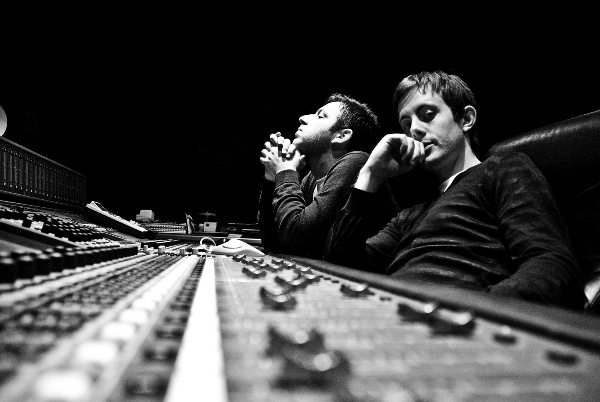
So there you have it, a nice little laundry list of the things you should be doing to turn into a respected producer. Of course, everyone comes about this process different ways, and this guide is just here to point you in the right direction. No one said this would be cheap, but if you have $1200 to drop on your passion, this might just be a guide you can use. As always, if you have any more questions about this process, or anything else audio-related, you can drop a comment on this post, or email me at audiovisua@gmail.com,with the subject line "Audio: your topic here", and I'll make an effort to get back to you soon. Writing this entry has inspired me, and hopefully once my studio is up and running again, I'll have a new track coming for you guys soon.
Easy,
Audio
Monday, 11 April 2011
Audio: What Do I Need To Start DJ-ing?
Audio here,
So i have heard this question from a lot of people, (i remember asking it myself at one point) as a lot of kids want to start mixing their own tunes, or just get into the hobby. For the purpose of this particular article, I will just talk about the pieces of hardware you need. Maybe in a later entry I could talk about technique, or how to promote yourself etc.
You Only Need 5 Things To Start:
1: A Mixer
Ok, so this is the first one, and also a big one. You Need at least a two channel mixer with a crossfader. This just means the mixer can handle two inputs. This could be a turntable, cd deck, mp3 player, laptop, you name it. The crossfader is simply for panning between your two channels at will. This is how DJs get a continuous mix going throughout the night, by constantly having one track ready to go. These mixers come in a wide range of prices, that can easily run you thousands, for a pro model. But here's a link to a decent beginner mixer, with two channels and a crossfader for only $80. These are easy to upgrade, as all you need to do is unplug your old one and strap on your new one.

2: Turntables Or CD Decks
Ok, so here's where things get a little more complicated, and a little more pricey. You need your decks so you can play your music. In theory you could just have your iPod and a CD player hooked up to your mixer, but that doesn't allow you have the same quality or functionality of decks. The purpose of decks is that you can find specific passages of songs quickly, through analog means. (Literally picking up the needle and dropping it on that sick break you wanted to add) When looking for a good turntable, the number one thing you want is for it to be direct drive. This is opposed to the cheaper alternative of belt drive. Belt drive means that there is a little gear inside the turntable attached to a belt that spins the plate which spins your record. There's a lot of moving parts in this design, which generally leads to more breaking, and a more uneven sound. A direct drive has the plate directly attached to the motor, which is more reliable and has a more even sound. I understand how many newbies might not care, so i scoped a cheap introductory turntable for about $150.
 Alternatively, you can purchase CD decks, which works similarly to a turntable, and in fact, are actually modeled to look and feel like a turntable. These come pretty cheap, but like anything, the fancy ones can run you a lot of cash. Here's a reasonable one for about $65.

3: Speakers
Just like playing an instrument, you can do it without an amp, but no one will hear you. DJing is no different. I don't think i really need to explain to anyone how speakers work, but you're gonna plug them into your rig and make it sound real nice. Speakers come in a huge range of prices, especially when you factor in possibly buying additional components, like a subwoofer or tweeter. The one thing you have to look out for is Powered vs Passive speakers. A powered speaker has it's own "brain" inside it, it's good to go out of the box. But if you buy a passive speaker, it's just a speaker with nothing else. You will need a powered mixer or powered pre-amp to make something like this run. But still, you can pick up an introductory set for about $70 a pop.

4: Headphones
This one may seem obvious, but you need a really good pair of studio-quality headphones. No more earbuds for you. You need noise-isolating headphones so you can cue up your different tracks without getting distracted by the crowd, our your other tracks. These are pretty easy to come across these days, as the style is now to walk around with big chunky headphones. Regardless, you can get some solid studio-quality headphones for about $60. This is a pretty decent brand, also makes good microphones.

The only other thing you may need, depending on your set-up, is a 3.5mm to 1/4" adapter. This takes a regular headphone output and converts it into a 1/4" output, one you will see often on more sophisticated DJ gear. The price is no problem, you can pick one up for only $2.


5: Music
You need music. Plenty of music. ALL KINDS of music. This means CD's vinyl records, mp3s, mp4s, tape cassettes, you name it. You're gonna be a DJ now, and this means understanding music past the surface level. Learn how different an mp3 sounds to a vinyl record of the exact same song. Learn why we don't use tape cassettes anymore. Once you have a large library, then you can hope to satisfy the demands of clubs, parties, and weddings.

Well, that should be about everything. This is only the gear you need, the skills will come after many nights spent in your basement scratching the decks and watching youtube videos. I hope this helps some people out, and puts DJing in the realm of possibility for some people, especially seeing it may only cost you as little as $427. This is if you buy your gear piece by piece, I do know of all-in-one DJ packages you can buy for as little as $265. But I promise, you will love a set you made yourself much more, and it will be of better quality that these "DJs in a box". Plus, most of these do not come with speakers of any kind.

Well, that about does it for me, be sure to message, comment, or e-mail us if you have any questions or comments. I hope you enjoyed reading this feature as much as I enjoyed writing it.
Easy,
Audio
So i have heard this question from a lot of people, (i remember asking it myself at one point) as a lot of kids want to start mixing their own tunes, or just get into the hobby. For the purpose of this particular article, I will just talk about the pieces of hardware you need. Maybe in a later entry I could talk about technique, or how to promote yourself etc.
You Only Need 5 Things To Start:
1: A Mixer
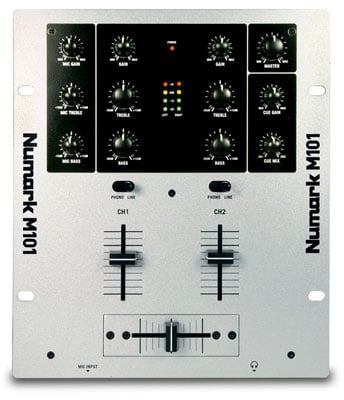
Ok, so this is the first one, and also a big one. You Need at least a two channel mixer with a crossfader. This just means the mixer can handle two inputs. This could be a turntable, cd deck, mp3 player, laptop, you name it. The crossfader is simply for panning between your two channels at will. This is how DJs get a continuous mix going throughout the night, by constantly having one track ready to go. These mixers come in a wide range of prices, that can easily run you thousands, for a pro model. But here's a link to a decent beginner mixer, with two channels and a crossfader for only $80. These are easy to upgrade, as all you need to do is unplug your old one and strap on your new one.
2: Turntables Or CD Decks
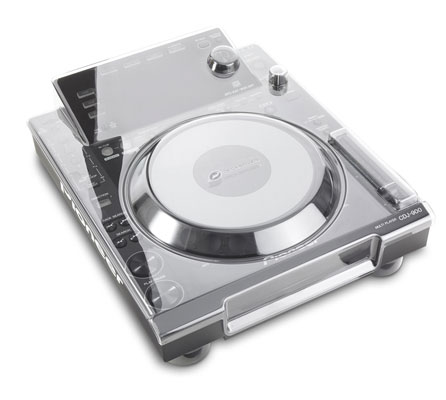
Ok, so here's where things get a little more complicated, and a little more pricey. You need your decks so you can play your music. In theory you could just have your iPod and a CD player hooked up to your mixer, but that doesn't allow you have the same quality or functionality of decks. The purpose of decks is that you can find specific passages of songs quickly, through analog means. (Literally picking up the needle and dropping it on that sick break you wanted to add) When looking for a good turntable, the number one thing you want is for it to be direct drive. This is opposed to the cheaper alternative of belt drive. Belt drive means that there is a little gear inside the turntable attached to a belt that spins the plate which spins your record. There's a lot of moving parts in this design, which generally leads to more breaking, and a more uneven sound. A direct drive has the plate directly attached to the motor, which is more reliable and has a more even sound. I understand how many newbies might not care, so i scoped a cheap introductory turntable for about $150.

3: Speakers
Just like playing an instrument, you can do it without an amp, but no one will hear you. DJing is no different. I don't think i really need to explain to anyone how speakers work, but you're gonna plug them into your rig and make it sound real nice. Speakers come in a huge range of prices, especially when you factor in possibly buying additional components, like a subwoofer or tweeter. The one thing you have to look out for is Powered vs Passive speakers. A powered speaker has it's own "brain" inside it, it's good to go out of the box. But if you buy a passive speaker, it's just a speaker with nothing else. You will need a powered mixer or powered pre-amp to make something like this run. But still, you can pick up an introductory set for about $70 a pop.

4: Headphones
This one may seem obvious, but you need a really good pair of studio-quality headphones. No more earbuds for you. You need noise-isolating headphones so you can cue up your different tracks without getting distracted by the crowd, our your other tracks. These are pretty easy to come across these days, as the style is now to walk around with big chunky headphones. Regardless, you can get some solid studio-quality headphones for about $60. This is a pretty decent brand, also makes good microphones.

The only other thing you may need, depending on your set-up, is a 3.5mm to 1/4" adapter. This takes a regular headphone output and converts it into a 1/4" output, one you will see often on more sophisticated DJ gear. The price is no problem, you can pick one up for only $2.


5: Music
You need music. Plenty of music. ALL KINDS of music. This means CD's vinyl records, mp3s, mp4s, tape cassettes, you name it. You're gonna be a DJ now, and this means understanding music past the surface level. Learn how different an mp3 sounds to a vinyl record of the exact same song. Learn why we don't use tape cassettes anymore. Once you have a large library, then you can hope to satisfy the demands of clubs, parties, and weddings.

Well, that should be about everything. This is only the gear you need, the skills will come after many nights spent in your basement scratching the decks and watching youtube videos. I hope this helps some people out, and puts DJing in the realm of possibility for some people, especially seeing it may only cost you as little as $427. This is if you buy your gear piece by piece, I do know of all-in-one DJ packages you can buy for as little as $265. But I promise, you will love a set you made yourself much more, and it will be of better quality that these "DJs in a box". Plus, most of these do not come with speakers of any kind.

Well, that about does it for me, be sure to message, comment, or e-mail us if you have any questions or comments. I hope you enjoyed reading this feature as much as I enjoyed writing it.
Easy,
Audio
Sunday, 10 April 2011
Audio: Tips on getting started! + Drum and Bass Tune
Hey, Audio here
As promised, I'm going to share some of the music I've been working on.
This one is a brand new song under my name xWE1GHTx. I started out producing dubstep under this name, mostly because that was some of the first electro music i was introduced to that i really liked. But after a little while, i hear a few drum and bass tracks, (would you believe that Visua showed me them?) i thought i really found a genre i could get behind.
You'll notice that in the title it say "garageband drum and bass" and that is because i used garageband exclusively to make this track. A lot of people put down garageband, saying it's too simple or whatnot, but if you have a mac, let me tell you right now;
Do Not Underestimate Garageband
This is for a few reasons.
Number 1: Easy to learn - If you look into a few tutorials on youtube (if you wanna learn how to produce dubstep, search up "CH1N1AN", (that guy totally helped me start out) and follow his tutorials, I promise that you will have the tools to start making some legitimate music.
Number 2: Great starting place - if you talk to a lot of professional producers, (E-Z Rollers come to mind) they will tell you they use a little program called "Logic 9" or "Logic Pro". This program, used to produce some of the best electro music in the world, is just Garageband on steroids. It's the same basic program. Master garageband, and you're preparing yourself for the big leagues.
I didn't mean to rant, but I'm sure anyone trying to get into production will appreciate the few tips. :p
So here you are, my latest track, this one's called Tandom.
Oh, and if you want more tips, or if enough people want the download like to Tandom, just let me know, I would be happy to share.
Easy,
Audio
As promised, I'm going to share some of the music I've been working on.
This one is a brand new song under my name xWE1GHTx. I started out producing dubstep under this name, mostly because that was some of the first electro music i was introduced to that i really liked. But after a little while, i hear a few drum and bass tracks, (would you believe that Visua showed me them?) i thought i really found a genre i could get behind.
You'll notice that in the title it say "garageband drum and bass" and that is because i used garageband exclusively to make this track. A lot of people put down garageband, saying it's too simple or whatnot, but if you have a mac, let me tell you right now;
Do Not Underestimate Garageband
This is for a few reasons.
Number 1: Easy to learn - If you look into a few tutorials on youtube (if you wanna learn how to produce dubstep, search up "CH1N1AN", (that guy totally helped me start out) and follow his tutorials, I promise that you will have the tools to start making some legitimate music.
Number 2: Great starting place - if you talk to a lot of professional producers, (E-Z Rollers come to mind) they will tell you they use a little program called "Logic 9" or "Logic Pro". This program, used to produce some of the best electro music in the world, is just Garageband on steroids. It's the same basic program. Master garageband, and you're preparing yourself for the big leagues.
I didn't mean to rant, but I'm sure anyone trying to get into production will appreciate the few tips. :p
So here you are, my latest track, this one's called Tandom.
Oh, and if you want more tips, or if enough people want the download like to Tandom, just let me know, I would be happy to share.
Easy,
Audio
Subscribe to:
Posts (Atom)